Collection:
Buy wine & sparkling wine
Choose from fine wines and sparkling wines – for special moments and unforgettable occasions.


Spritz Almare Classico Aperitivo Italiano 8% Vol. 0,75l

Bepin De Eto Prosecco Superiore Extra Dry Millesimato DOCG 2025 11,5% Vol. 0,75l

Paladin Salbanello IGP 2025 12% Vol. 0,75l

De Bernard Prosecco CONEGLIONE Prosecco Superiore DOCG Extra Dry 11,5% Vol. 0,75l

Cocchi Aperitivo Americano Rosa 16,5% Vol. 0,75l

Strongbow Cider Gold Apple 4.5% ABV 6x4x0.33l

Bepin De Eto Vino Spumante Rosato Flavé Brut Millesimato 2025 12,5% Vol. 0,75l

L'Orso Pecorino Abruzzo DOC 2025 13% Vol. 0,75l

BEDIN Prosecco Treviso Brut DOC 11% Vol. 0,75l


19 Crimes The Uprising Red Wine 13,5% Vol. 0,75l

Crémant d'Alsace Brut Cattin Rosé Méthode Traditionnelle 12% Vol. 0,75l


Bonanto The Ultimate Aperitivo 22% Vol. 0,75l

Badel Plavac, Little Pelješac 2022, 12.5% ABV, 0.75 l

Villa Sandi Il Fresco Prosecco Treviso Brut DOC 11% vol. 0.75 l

Justino's Madeira FINE MEDIUM DRY 19% Vol. 0,75l

Cà dei Frati Rosa dei Frati Vino Rosato 2025 12,5% Vol. 0,375l


Wine FAQs
Wine made easy.
What are the current trends in the wine market?
What are the current trends in the wine market?
Current trends in the wine market include increasing interest in biodynamic and natural winemaking, growing popularity of wines from emerging wine regions such as South Africa and Portugal, and increased demand for eco-friendly packaging options like bag-in-box and canned wine.
What are the different types of wine, and which one suits me best?
What are the different types of wine, and which one suits me best?
There is a wide range of wine varieties, including red wines such as Merlot, Cabernet Sauvignon, and Pinot Noir, as well as white wines such as Chardonnay, Sauvignon Blanc, and Riesling. The best choice depends on your personal preferences. If you like bold flavors, red wines like Cabernet Sauvignon might be suitable for you, while lovers of lighter wines might prefer white wines like Pinot Grigio.
How do I recognize the quality of a wine?
How do I recognize the quality of a wine?
The quality of a wine can be assessed based on various factors, including the aroma, the balance of acidity and tannins, the length of the finish, and the overall structure of the wine. It can also be helpful to consult wine ratings and awards from recognized wine experts.
How can I improve my wine knowledge and become a wine expert?
How can I improve my wine knowledge and become a wine expert?
To improve your wine knowledge, you can attend wine seminars and courses, read specialist literature, participate in wine tastings, and make your own tasting notes. It is also helpful to regularly try different wines and deepen your understanding of wine regions, grape varieties, and winemaking methods.
How can I buy wine online and what should I consider?
How can I buy wine online and what should I consider?
When buying wine online, it is important to choose a trustworthy wine merchant that offers a good selection, secure payment methods, and reliable shipping. Customer reviews and return policies can also be helpful in assessing the quality and service of an online wine shop. Our online shop
Worlds in a Glass: The Fascinating Culture of Buying Wine and Sparkling Wine
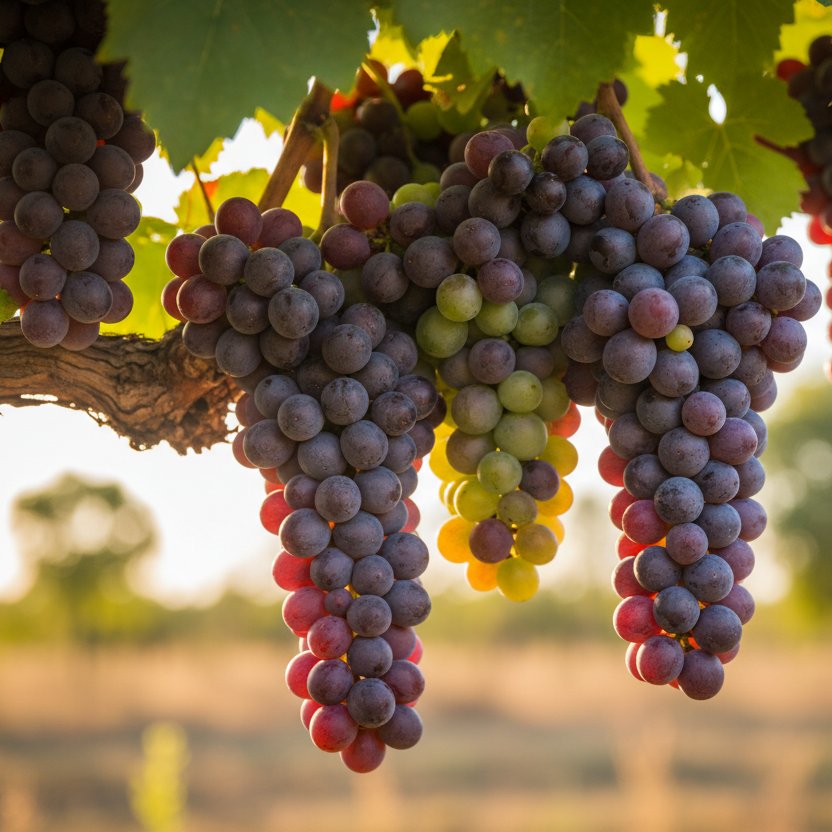
Wine culture encompasses a rich history and tradition spanning centuries. Buying wine and sparkling wine is not just an act of indulgence, but also a journey through different regions, terroirs, and winemaking processes. From the sun-drenched vineyards of Europe to the exotic wine-growing regions of the New World, the market offers a wealth of aromatic experiences for wine lovers of every taste.
Before Buying Wine: The History of Wine
Before you simply buy just any wine from the shop, you should also delve a little into its history. Wine was already cultivated in parts of Asia in the 6th century BC. Georgia and present-day Armenia are often mentioned as countries of origin.
Wine not only played a central role in agriculture, but also in culture and society. In many ancient myths, deities such as Dionysus, Bacchus, and Osiris represented the noble drink, which was used for both religious rituals and festivities.
Wine also plays a significant role in the Bible. In Christianity, it symbolizes the blood of Christ, while in Judaism, it is an essential part of the Sabbath and Passover celebration. In art, wine was often depicted as a symbol of joie de vivre and transience. Dionysus, the god of wine, stands for ecstasy and freedom, and many cultures revered him as a symbol of abundance and renewal.
Whether as part of religious ceremonies or as a drink at festivals – wine is deeply rooted in human culture and remains an important part of many celebrations today.
Oenology
Oenology, also known as winemaking, refers to the field of study of wine production and deals with pressing, aging, and the entire scope of winemaking. Through these many different aging processes, which can sometimes last for several decades, wines are biochemically preserved. In this way, a wide variety of the most aromatic wines are created, which we can buy in many places.
Components of Wine
The basic components of wine include water, acid, and sugar. The sugar is converted into alcohol during fermentation, leaving a residual sugar content. In addition, phenols (colorants) are present, which influence color, smell, texture, and taste, as well as tannins (astringent substances), which are responsible for the bitter taste. Tannins and acids also have a preservative effect, which is why the wine we buy has such a long shelf life.
Viticulture
Viticulture has evolved over millennia and is closely linked to the culture of many regions of the world. The first beginnings were around 6000 BC in the Near East, especially in Georgia and Armenia, where the first grapevines were cultivated. In ancient Egypt, Greece, and Rome, viticulture gained importance, and the Romans spread their viticultural knowledge throughout Europe, laying the foundation for many of today's wine regions.
In the Middle Ages, monks in monasteries played a decisive role in preserving and refining viticulture, especially in France, Germany, and Italy. They developed innovative cultivation methods that are still important today.
With the Industrial Revolution and modern techniques, such as the control of fermentation and the fight against vine diseases, viticulture was further perfected. Today, vineyards stretch from the sun-drenched slopes of the Mediterranean to cooler regions such as the Rhine Valley. Viticulture combines traditional craftsmanship with modern innovations and reflects the cultural heritage and geographical peculiarities of each region.
The Grape Varieties
The Grape Varieties
The cultivation of grape varieties through cross-breeding and selection was also developed over the long history of viticulture. Both natural cross-breeding and human intervention led to the vast selection of different wines available today. Depending on the location and climate, certain grape varieties may thrive better or worse. Winemakers require a special instinct and knowledge to select suitable grape varieties. In the European Union, there are specific legally approved grape varieties that must be strictly adhered to.
Viticulture in Germany
Viticulture in Germany
Around 100 of the approximately 16,000 existing grape varieties are cultivated in Germany. Riesling, Müller-Thurgau, and Pinot Noir are some well-known examples of wines you can buy here. The largest wine-growing region in Germany is Rheinhessen. White grapes are grown on 64.2 percent of the vineyards, and red grapes on the other 35.8 percent. Approximately 44 percent of the wine consumed by Germans comes from Germany. Today, there are around 13 wine-growing regions in Germany.
The soil, the terrain, and the climate
The soil, the terrain, and the climate
The composition of the soil significantly influences the characteristics and quality of the wine. Soils with a high lime content produce wines of particular finesse and good aging potential. While a high clay content in the soil produces heavy wines, a large proportion of gravel accelerates grape ripening, meaning the finished wines can be ready for purchase sooner. A balanced moisture level can prove extremely important in both dry and wet periods. The microclimate of the region also plays a decisive role. In cooler wine-growing regions, this concerns sun exposure and proximity to water reservoirs. For you to ultimately buy the ideal wine, an optimal environment for the grape varieties is required.
The Terroir
The Terroir
Terroir refers to the natural influencing factors of a specific location and their effect on the cultivated plants, in this case grapevines. These include climatic conditions, solar energy, topography, soil composition, and soil moisture. A complex interaction of these factors significantly impacts the development of the grapevines and their grapes, and ultimately the wine you wish to purchase.
Buying and Storing Wine
The higher the tannin content, the longer the wine you buy will last. However, this also means that the wine needs this development time. A wine that is age-worthy only becomes smoother and softer over the years, as only then do the structures of the tannins change in such a way that larger molecular complexes, i.e., sediment, sink to the bottom of the bottle. A few other influencing factors such as sulfides, acidity, and alcohol content also affect the aging potential. The simplest way to store wine is in a wine refrigerator. However, it is also possible to store wine without a wine refrigerator, according to the following guidelines: It should be stored in the coolest place in the apartment or house. It should be dark and possibly slightly damp – between 60 and 80 percent humidity is optimal. If the humidity deviates from this, it can lead to a reduced shelf life. The cork can dry out, which leads to the wine being more susceptible to oxidation or mold forming on the cork. If you want to store wine, it should not be exposed to excessive temperature fluctuations. The temperature should be between 10 and 15 degrees Celsius. The more constant the temperature, the longer the wine will last. The perfect temperature for individual wines can vary and is different for each wine. However, it should never fall below 0 degrees Celsius, as this can lead to the wine freezing. A temperature above 20 degrees Celsius is equally harmful; it accelerates the aging process and can, under certain circumstances, lead to cork in the wine. If the storage location is a few degrees too warm, the wine should be drunk within a few years after bottling. We pay particular attention to damage-free delivery when you place your order and package it. We want you to be able to buy only top-quality wines from us. Furthermore, the influence of light sources during storage should be noted. Wines should be stored away from light sources. This includes direct sunlight as well as fluorescent lights. Wines with natural corks should be stored horizontally, as this keeps the cork continuously in contact with the liquid and prevents it from drying out. After this information, you should be well-equipped to start your search for your perfect wine! Feel free to visit our wine shop and find the most diverse varieties of wine, directly from us, on our website.

Buy wine in Austria and the rest of the world
Wine is one of the most important cultural assets in many countries, including Austria. No other beverage reflects Austria's landscape diversity as much as wine does: From tart to fresh, from fruity to heavy, and from creamy to sparkling, almost everything is included. Whether red, white or rosé – in the delicando wine shop you can buy wines from all over the world. Sparkling wines are of course also a must. In our wine shop you will therefore also find a huge selection of Champagne, sparkling wine and Prosecco.
The Quality System in Germany and Europe: Keep Your Eyes Open When Buying Wine
Since August 1, 2009, an EU wine market regulation has been in place to govern the quality of wines. This regulation introduced a system based on origin rather than sugar content, which previously determined the quality hierarchy. This ensures that you can only buy the best wines in the respective countries. The EU has two main designations: wines without and wines with a protected designation of origin. For wines with a protected designation of origin, there are two further quality levels: First, a wine with a protected geographical indication. This is assigned to a specific land region, such as the Rhine. Second, there is a wine that is of higher quality and subject to strict production rules, i.e., it bears a protected designation of origin. This designates an area, a place, or a site, which are indicators of quality and taste. In Germany, for example, two further levels of quality are distinguished. These are strictly regulated and controlled. These include Qualitätswein (quality wine), which is produced in certain wine-growing regions and uses regionally approved grape varieties, and Prädikatswein (superior quality wine), where the grapes must have a certain minimum must weight. The weight increases due to the sugar content, which rises with advancing ripening and harvesting. The first three quality levels allow enrichment with sugar, which in turn increases the alcohol content. In technical jargon, this is called chaptalization. This is not permitted for Prädikatswein.
Wine Types and Their Production
This alcoholic beverage is widely consumed in Austria and worldwide. The word "wine" is derived from similar Arabic, Latin, and Greek terms. These terms have been widely used in the Mediterranean region for centuries. Worldwide, there are approximately 16,000 grape varieties, and you can buy six basic types of wine:
- Red wine
- White wine
- Rosé wine
- Sparkling wine (Champagne)
- Semi-sparkling wine (Prosecco)
- Dessert wine (e.g., Port wine)
On delicando, you will find everything from white wine, red wine, rosé wine, sparkling wine, to semi-sparkling wine and Champagne, to make any wine sommelier's heart beat faster. The different wine types are explained in more detail in the respective wine categories.
Production of sparkling and semi-sparkling wine
Production of sparkling and semi-sparkling wine
Sparkling and semi-sparkling wines are known for their lively freshness and refreshing taste. The production of these wines differs from conventional wine due to the carbonation process.
Sparkling wine is produced using the "Méthode Champenoise" or "traditional method." In this process, the second fermentation takes place directly in the bottle. After the first fermentation, sugar and yeast are added to the wine to create carbonation. The bottle is sealed and remains for several months or years for the bubbles to form. A well-known example of this method is Champagne.
Semi-sparkling wine, on the other hand, has less pressure and less carbonation. Production often involves "tank fermentation," where carbonation is generated in large tanks before the wine is bottled. This method is faster and cheaper, and semi-sparkling wine has a lighter effervescence than sparkling wine.
Both wines offer a sparkling experience, with sparkling wine providing a more intense fizz and semi-sparkling wine offering a gentler, lighter enjoyment.
Production of white wine
Production of white wine
The grapes are destemmed either by machine or by hand and then crushed, creating a thick mixture of pulp, skin, juice, and seeds, known as must. This is left to rest for a few hours, after which it is pressed, producing the grape juice. This is then sulfited to prevent spoilage and subsequently filled into fermentation tanks. There, after the addition of specific yeast cultures, fermentation takes place, converting sugar into alcohol. Once the fermentation process is complete, the wine is separated from the yeast. Some wines then mature for months in steel tanks or wooden barrels before we can buy them in stores.
Production of red wine
Production of red wine
The main difference lies in the order of the work steps. With red wine, it is not the must but the mash that is fermented. The grape skins give the wine its red color. After fermentation, the red wine is pressed and then matured. Then it is stored, bottled, and transported to wine shops & co., where connoisseurs prefer to buy their wine.
Production of Rosé Wine
Production of Rosé Wine
Rosé wines are produced by subjecting red grapes to the white wine production process. In addition, the mash is left to stand for a while, allowing the rosé to absorb pigments from the grape skins, thus acquiring its characteristic color. Women in particular like to buy rosé wine because of its beautiful color, but also because of its gentle taste.
Wine Counterfeits and Their Detection: A Growing Problem
Wine counterfeiting is a serious problem in the wine industry, which is increasingly being addressed by technological advancements in fraud detection. In 2018, there were several high-profile scandals worldwide where fine wines were counterfeited and blended with inferior products. The case of "The Billionaire's Vinegar" became particularly well-known, in which supposedly valuable Bordeaux wines were exposed as fakes.
Modern methods for detecting wine counterfeits include isotope analysis, which examines the ratio of oxygen and carbon isotopes in the wine to verify its origin and age. DNA analysis of the grapes and the wine itself also allows for precise determination of origin. Another method is chemical fingerprint analysis, which uses special equipment to examine the composition of wines.
The wine industry is increasingly investing in such technologies to prevent counterfeits and secure consumer trust. The fight against wine counterfeiting remains a central issue, especially given the growing demand for expensive, rare wines.
Buying Wine: The Color Spectrum of Wine
The color of wine is determined by several factors. Wine gets its specific color from the grape variety, the production process, and its age. In most cases, it is not the juice that determines the color, but rather the grape skins. These are fermented together with the juice. This is called maceration. The color intensity of the wine can be individually altered by punching down and circulating the must. This allows you to later buy wines of different colors. The color spectrum of red wine, for example, ranges from pale pink to bluish black. The nuances of rosé wine can range from salmon to cherry, and the shades of white wine range from colorless to yellowish brown. Warmer regions such as Australia, Italy, and Spain usually produce darker red wines than colder regions such as Germany or New Zealand. A younger, dry white wine tends to have a lighter to colorless tint, while late harvest wines, dessert wines, and older wines, on the other hand, show color peculiarities from golden yellow to amber. Have you ever noticed the luster when buying wine? This can roughly indicate the acidity level. The more it sparkles, the more acid it contains. However, the duller it appears, the older and riper it is. If the wine is cloudy, it may be of inferior quality and potentially no longer drinkable.

The right choice when buying wine
When buying wine, you can usually find the following information on a wine label: the name of the wine, the grape varieties used, the vintage, the origin (country, winemaker, winery and bottler), the quality class, the alcohol content, the quantity bottled, the official test number (AP-NR) and any additives, i.e. allergen information. The official test number is intended to provide guidance. Labels of quality wines guarantee that the wine is sensorially flawless. The last two digits indicate the year of bottling. On our website, you can filter by information such as brand name, country of origin, category, grape variety, region of origin, residual sugar, vintage, accessories, content, rating, taste and characteristics to get an overview when buying wine.
Buying wine made easy: Additional designations at a glance
Cuvée: If you buy a wine from us that bears this designation, it can have several meanings. They differ by country and product. In the production of sparkling wine, Champagne, Cuvée means the first and best pressing. In Germany, the term refers to the blending of several grape varieties from one vintage. In southern countries, it is a common way of producing wine. However, it is also being used more and more in Germany, because it offers the winemaker the opportunity to mix different grape varieties in an optimal ratio to each other. Riserva: This term is used when you buy Italian wines. It refers to Italian wines that have been aged first in wooden barrels and then possibly in bottles. In Spain, it is common to age wines in wooden barrels, which gives rise to three classifications: A wine with the designation Crianza has matured for 24 months in a bottle or barrel, of which at least six months must have been in the barrel and twelve in the bottle. Reserva wines mature for one year in a barrel and two further years in a bottle. And Gran Reserva wines mature for two years in a barrel and three years in a bottle. Wines with the designation Vino joven, Cosechero or Vino de año are not aged in barrels in Spain and should not be stored for longer than one year. They are therefore produced for early consumption.
Buy and taste the wine
The wine labels on our wines, which you can browse in our wine shop, give an indication of taste and aroma. After buying wine, the simple option is to just try it. Professionals, for example, also test the wine by determining its color, swirling it to observe its texture, inhaling the aroma, tasting it, and thereby analyzing and evaluating the overall package. Practice makes perfect.
Sweet, dry, or off-dry?
Sweet, dry, or off-dry?
Depending on the dishes we enjoy with our wines, we perceive the aromas of the wine and food differently. For example, there are wines available with varying sweetness levels. They can be differentiated by their sugar content per liter. Dry wines contain four to nine grams of residual sugar per liter. Off-dry wines contain 12 to 18 grams, while medium-sweet wines contain 18 to 45 grams, and sweet wines contain more than 45 grams of residual sugar per liter. Furthermore, wines are referred to as mild or feinherb. Mild means sweet with low acidity, whereas feinherb is a fashionable term for off-dry.
Serving temperature
Serving temperature
In our wine shop, where you can buy all kinds of wine, you will find a description of all the necessary information important for each of our wines. This also applies to the recommended drinking temperature. This is crucial because only at an appropriate temperature can all the wine's flavors fully unfold. Therefore, most wine connoisseurs recommend the following general drinking temperatures: White wine: 8°C - 14°C Rosé wine: 10°C - 14°C Red wine: 12°C - 18°C Chambrer (chambrer) red wine means warming it slowly to room temperature.
Decanting and carafing
Decanting and carafing
Decanting means transferring or pouring off. If you buy wines that have generally been stored for a long time, a sediment will form at the bottom over time, which tastes bitter and can mar the enjoyment of the wine. In such cases, it is recommended to decant, with the aim of separating the wine from the sediment (also called deposit). Instead of decanting, you can also decant into a carafe. This aims to aerate the wine to improve its aroma.
The right container
The right container
A good wine and the right temperature also require the right container, ambience, cork, and bar glasses. Wine connoisseurs use bulbous, large wine goblets for red wines, in contrast to slender wine glasses for white wines, champagne flutes for sparkling wines, and small wine glasses for dessert wines. In addition to visual reasons, the shape of the wine glass should support the development of aromas, and the rim of the glass should influence the head position when drinking. This way, perception is guided by the tongue. You can buy our wine on our website delicando. In addition, the appropriate wine accessories such as sparkling wine and wine glasses, corkscrews, wine thermometers, and more are also available there.
The Health Aspects of Wine Consumption
Wine consumption can offer both health benefits and risks. Red wine, in particular, is credited with a range of positive effects when consumed in moderation. A study by the Harvard School of Public Health showed that moderate alcohol consumption, especially from red wine, can reduce the risk of heart attacks in women by up to 30 percent. The antioxidants it contains, especially resveratrol and flavonoids, have anti-inflammatory effects, protect blood vessels, and can regulate blood pressure. Resveratrol, derived from the skin of red grapes, is also associated with improved metabolism and increased longevity. Red wine is also said to increase "good" HDL cholesterol levels by up to 12 percent.
As with all luxury foods, quantity is key. Moderate consumption, defined as about 125 ml of wine per day for women and 250 ml for men, is considered safe. However, excessive consumption can pose risks. The World Health Organization (WHO) warns that alcohol consumption is responsible for approximately 3 million deaths worldwide annually, with risks associated with excessive consumption including liver diseases, an increased risk of cancer, and heart problems.
Interestingly, studies show that people in regions with regular, moderate wine consumption, such as in the Mediterranean diet, tend to have a higher life expectancy. Here, wine is often combined with a balanced diet, which enhances its health benefits.
The art, therefore, lies in enjoying wine consciously and responsibly. This way, you can discover the cultural and flavorful facets of this noble drink while also benefiting from its potential health advantages.

Tips for Buying and Tasting Wine
Nowadays, almost anything goes when buying wine – the key is to create a harmonious pairing between food and wine. Experts recommend following some basic rules when choosing wine for specific dishes to maximize the taste experience.
Combining Wine and Food:
- Spicy Food: For sharply spiced dishes, like Indian or Thai cuisine, an aromatic, fruity white wine like Riesling is an excellent choice. It is refreshing and balances the spice.
- Grilled or Seared Meats: A full-bodied red wine, such as Cabernet Sauvignon or Shiraz, pairs well with heavily seared or grilled meats. The tannins in red wine harmonize with the intense flavor of the meat.
- Fish and Seafood: For fish dishes, especially fattier varieties like salmon or tuna, a dry white wine such as Chardonnay or a crisp Sauvignon Blanc is recommended.
- Desserts: For desserts, you should opt for sweet wines, such as a Sauternes or Tokaji. These wines ideally complement the sweetness and flavors of cakes, chocolates, or fruits.
- Cheese: A fruity white wine pairs well with mild cheeses like Brie or goat cheese, while a full-bodied red wine is ideal for strong blue cheese or aged cheddar.
Tips for Wine Tasting:
- See: Observe the wine under good lighting conditions to assess its color and clarity. White wines should be bright and clear, while red wines can have a deeper, ruby red to violet hue.
- Smell: Swirl the glass gently to release the aromas. A good wine should have a complex bouquet with fruity, floral, or spicy notes.
- Taste: Sip the wine, let it roll over your tongue, and pay attention to the balance between sweetness, acidity, tannins (in red wine), and body. A well-balanced wine leaves a long, pleasant finish.
- Air: Let the wine breathe a little, especially young red wines, to fully develop the aromas. Use a decanter if necessary.
Further notes:
- Acidity: Acidic wines, such as Riesling or Sauvignon Blanc, pair well with fatty or acidic dishes (e.g., salads, fish in lemon sauce).
- Temperature: Pay attention to the correct serving temperature. White wine should be served well chilled (8–12°C), red wine slightly warmer (14–18°C).
- Red Wine and White Wine: Red wine is more suitable for heavier, spicier dishes, while white wine harmonizes with lighter foods, such as poultry or seafood.
By following these tips, you can not only buy the perfect wine but also make your next wine tasting an unforgettable experience. Experiment with different combinations and discover your own favorite pairings!
This is the conclusion on the topic of buying wine
The topic "buying wine" is a fascinating and complex field that excites both novices and connoisseurs alike. The world of wine offers an almost endless variety of types, colors, and aromas to discover. Whether as an accompaniment to a festive meal, a cozy evening drink, or simply for relaxation – wine suits every occasion and can wonderfully enhance the mood. Ultimately, buying wine is not just an investment in a drink, but also in an experience. It is the opportunity to discover new taste worlds, experience culinary adventures, and share valuable moments with friends and family. In addition to wine, we also offer a wide selection of rum, whisky, gin, and liqueurs.